

Uncovering Aspen's Best-Kept Secrets: Local Favorites
To Aspen’s discerning residents, a hidden gem isn’t just a place with fewer tourists—it’s an experience rich in authenticity and elevated by exclusivity. These are the quiet trails that unveil panoramic views without the chatter of crowds, the understated eateries that serve world-class cuisine without fanfare, and the cultural spaces where creativity thrives outside the spotlight. Finding them requires more than a guidebook; it’s a matter of knowing when to go, who to ask, and where to look.
Locals gravitate toward areas like the Ashcroft Ghost Town in autumn—where golden aspen leaves frame the weathered remains of a once-booming mining town. It’s serene, cinematic, and far removed from the photo-op frenzy of Maroon Bells. Trails like the American Lake Trail or Cathedral Lake Trail reward early risers with solitude and high-alpine beauty, while the Grottos—a labyrinth of ice caves and waterfalls—offers a surreal atmosphere just off Independence Pass. These are not just scenic detours; they are part of a deeper Aspen experience—one that values discovery over display.
The real luxury lies in access: knowing which river bend hosts the best fly fishing at dusk, which alpine meadow bursts into bloom first in June, or which ridge grants the clearest views during the fall equinox. These are the nuances that define Aspen’s insider lifestyle—an ethos we understand intimately at Aspen Real Estate, where a home’s proximity to these sanctuaries often holds more value than its square footage. Hidden gems are not just locations; they are invitations into a quieter world Aspen keeps reserved for those who seek it with intention.
Table of Contents
- Scenic Trails and Outdoor Surprises
- Underrated Spots for Local Dining
- Cultural Corners and Insider History
- Year-Round Hidden Escapes
- Actionable Tips for Immersive Local Experiences
Scenic Trails and Outdoor Surprises
In Aspen, the most memorable trails rarely begin at the visitor center or end with a souvenir shop. Locals prefer routes that trade wide gravel paths for narrow, pine-lined singletrack, where the only sounds are the crunch of boots on dusty switchbacks and the wind threading through spruce. These paths—rarely mentioned in mainstream guides—offer deeper interaction with the terrain: alpine ridgelines that unfold into panoramic silence, or shaded creek beds where wildlife outnumbers hikers.

One such experience begins along the East Snowmass Creek Trail, a route that winds through thick forest and alpine tundra before climbing into expansive wildflower meadows above treeline. It’s long, remote, and untouched by casual foot traffic. Locals favor it late in the summer when the blooms peak and the light softens across the ridgeline. For a shorter but equally immersive excursion, the Hunter Creek Trail starts just a few blocks from downtown and quickly escapes into aspen groves, with wooden bridges crossing the namesake creek and quiet side paths that lead to mossy outcrops and hidden picnic spots. These are not trails for quick photo stops—they’re for those who move through the landscape with quiet intention.
South of town, the North Star Nature Preserve offers a different kind of trail: slow, meandering, and water-bound. Locals venture here in early mornings with paddleboards or fly rods, gliding silently through the Roaring Fork River’s calm stretches as bald eagles perch overhead. In late summer, the water reflects the cottonwood canopy in gold, and in spring, it carries the scent of blooming willow. Paths along the riverbank offer secluded corners for birdwatching or a quiet walk with a dog. This isn’t backcountry adventure—it’s restoration, hidden in plain sight.
Underrated Spots for Local Dining
Aspen’s culinary scene flourishes quietly behind its more publicized fine-dining institutions. In unassuming buildings and tucked-away storefronts, a handful of kitchens serve meals that speak to place, season, and heritage—places where the connection between producer, chef, and guest remains unbroken. These establishments attract a discerning clientele who appreciate precision over pretense, and who return not for novelty, but for consistency and depth.
Louis Swiss Bakery, located just off the main corridor near the airport, anchors Aspen’s early mornings with its deeply rooted European traditions. The aroma of freshly milled grains and natural fermentation drifts through the space as bakers prepare seeded sourdough, buttery croissants, and house-made empanadas. The bakery also serves as a midday refuge, where locals stop in for roast turkey sandwiches or cinnamon rolls still warm from the oven. It’s a place that functions more like a neighborhood staple than a destination, quietly supplying Aspen’s homes, restaurants, and lodges with daily bread.

Nearby, Mawa’s Kitchen offers a culinary perspective shaped by global experience and regional sourcing. Each plate—whether North African shakshuka, Provençal roasted carrots, or bison tenderloin with spiced yogurt—reflects the chef’s personal story and a commitment to ingredient integrity. The space itself, set within an airy loft-like interior, hosts everything from chef-led tastings to wellness brunches. Beyond the food, the restaurant fosters dialogue around sustainability and cultural fusion, making it a gathering point for Aspen’s creative and food-forward communities.

In town, Bosq provides a sensory narrative of the Roaring Fork Valley through a tasting menu that shifts with rainfall, harvest, and elevation. Dishes might include spruce-cured trout, wild chaga mushrooms, or foraged ramps plated with surgical precision. The chef’s alpine approach favors technique drawn from both Scandinavian and Southeast Asian traditions, yet every course feels distinctly rooted in the high-country landscape. Within the intimate dining room, guests experience not just flavor, but Aspen’s evolving culinary identity—defined by its land, its pace, and its quiet confidence.
Cultural Corners and Insider History
Aspen’s artistic identity is often measured by the scale of its summer festivals and the prestige of its architectural landmarks, but the town’s cultural depth is better understood in its quieter venues. These spaces—many of them housed in historic buildings or tucked into residential neighborhoods—offer immersive encounters with local history and contemporary expression, far from the spotlight. They are where Aspen’s creative pulse beats most clearly, nurtured by community engagement and a sense of place.
Just beyond the Central Core, the Holden Marolt Mining & Ranching Museum preserves the rugged material culture of Aspen’s early days. Housed in a former ore-processing barn, the museum features preserved machinery, archival photographs, and interpretive exhibits that trace the town’s transition from frontier mining hub to alpine resort. Its setting—surrounded by native grasses and old ranch roads—lends a distinct sense of continuity with the landscape. It’s a place where visitors can engage with the physical remnants of Aspen’s past without the formality of traditional museums.
The Wheeler/Stallard Museum, set in a restored Victorian mansion, offers a more intimate lens on Aspen’s layered evolution. Period furnishings on the main floor evoke the domestic life of Aspen’s silver boom families, while rotating upstairs exhibitions delve into subjects like local architecture, regional photography, and the town’s countercultural 1970s. The museum’s curation privileges specificity over spectacle, allowing visitors to experience Aspen’s history through personal stories and detailed artifacts. Its residential setting in the West End reinforces the sense that this is not a destination, but a part of the living community.

Beyond static exhibitions, Aspen’s contemporary art scene thrives in spaces that double as creative laboratories. Red Brick Center for the Arts houses working studios alongside galleries, encouraging spontaneous interactions between artists and visitors. Seasonal showcases feature ceramics, printmaking, and mixed media from both emerging and established regional talent. In Snowmass, the Anderson Ranch Arts Center continues this ethos with artist residencies that culminate in informal critiques, open studios, and experimental installations. These aren’t scheduled exhibitions—they are moments of cultural emergence, shaped in real-time by artists whose work reflects the land, light, and rhythms of the Roaring Fork Valley.
Year-Round Hidden Escapes
Aspen’s seasonal rhythm offers an evolving landscape of quiet retreats, many of which remain largely untouched by the day-tripper crowd. As snow gives way to wildflowers, the terrain shifts from vertical to expansive, and new layers of solitude emerge. In summer, long afternoons stretch across the valley floor, revealing secluded ridgelines, shaded forest benches, and alpine pockets where only birdsong punctuates the silence.
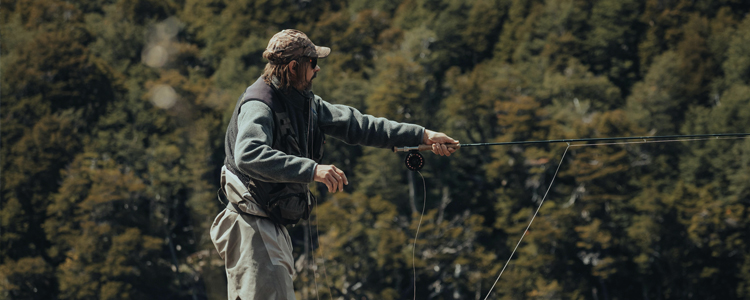
Creeks that roar in spring mellow into reflective channels; in these slower months, local residents gravitate toward lesser-known access points along the mid-valley, such as Lazy Glen or chaparral-bordered stretches near the North Fork. These areas, nestled between forest and pasture, invite quiet fly fishing at dusk or impromptu walks through tall grasses flecked with lupine and columbine. With minimal signage and no facilities drawing crowds, these banks offer a kind of privacy that feels inherited—accessed only by those who know the way in.
As winter returns, the terrain reclaims its silence, but not all of it is found on groomed slopes. Beyond the resort boundaries, the East of Aspen Trail becomes a favorite among locals for snowshoeing beneath cottonwoods dusted in frost. This route—rarely mentioned in ski reports—winds along frozen oxbows and under stone bridges, linking neighborhoods with open views of the Continental Divide. For advanced riders seeking something more remote, the upper drainages near Burnt Mountain offer steep glades and technical chutes accessible by snowcat or skin track. These lines—unmarked, unpatrolled, and known only through word of mouth—are where locals carve their signatures on storm days.
Some of Aspen’s most sought-after homes—like we offer at Aspen Real Estate—are those that border these natural corridors. Residences along lower Midnight Mine Road or high above McLain Flats offer unfiltered access to wild terrain year-round: a snow-covered trail at the back gate in January, a wildflower-covered slope just down the hill in July. Here, seasonal rituals become embedded in the architecture of daily life—fresh air and elevation not as an escape, but as a constant, defining presence.
Actionable Tips for Immersive Local Experiences
Immersion in Aspen’s local rhythm comes from subtle decisions—choosing the right time of day, the right guide, or the right footpath. For those seeking more than a surface-level encounter, it begins with aligning your schedule to the elements. Locals often seek out Aspen’s transitions—early morning frost evaporating from tall grass, or the hush of twilight as the first stars appear above pine silhouettes. In these moments, the surroundings don’t just look different—they feel different.
Star-focused outings are best experienced from vantage points hidden above Owl Creek or deep within the open fields flanking the Brush Creek Valley. Local guides often bring guests to these lesser-known elevations, where the absence of ambient light reveals a sky so dense with stars it seems layered. During meteor showers or new moon nights, the stillness becomes immersive—punctuated only by wind rustling through sagebrush or the snap of frost beneath your boots. These are not curated shows; they are moments defined by scale and silence.
Throughout the year, Aspen’s community rituals provide another layer of access. In the early hours of Saturday mornings, the stretch of East Hopkins Avenue transforms into a gathering of growers, bakers, and craftspeople—each booth a reflection of the valley’s seasonal rhythm. One might find smoked trout from the Fryingpan River alongside handwoven alpaca scarves, or locally crafted tinctures infused with foraged yarrow and spruce tips. Yet the appeal isn’t just what’s for sale—it’s the interaction: a winemaker describing the year’s harvest, or a fourth-generation rancher explaining how snowfall patterns shaped this season’s lamb. These open-air exchanges deepen the visitor’s connection to place far more than any itinerary.
To truly move like a local, timing and context matter. A winter lantern-lit walk through the ghost town of Ashcroft, for example, offers a surreal contrast to its quiet summer counterpart—ice crystals forming on cabin eaves, snow muffling the footpaths, and the surrounding peaks outlined in moonlight. These guided treks, often kept small and informal, reveal a haunted kind of beauty: Aspen’s high-altitude silence amplified by the echoes of its past. Whether it’s a fireside storytelling night in a converted miner’s cabin or a spontaneous fiddle set at a trailhead café, Aspen’s most intimate experiences unfold where invitation meets intention.
Aspen’s hidden gems aren’t just places—they’re a way of life known intimately by those who call this valley home. When you’re ready to move beyond the surface and invest in the lifestyle Aspen truly offers, you deserve local insight that matches the exclusivity of the experience. Contact Ryan Schwartz for professional guidance in buying or selling luxury real estate—we’re here to help you navigate Aspen with the expertise only insiders can provide.
Posted by Ryan Schwartz on
Leave A Comment